
Importance of Bees
The tiny heroes of our planet
Bees are indisputably among the most valuable organisms on the planet. Their presence is not limited to honey production but is a cornerstone of the entire ecosystem’s balance. As it has been famously said, if bees disappeared from the face of the earth, humans would have only a few years left to live. It may sound exaggerated, but science confirms that their existence is inextricably linked to our own survival.
Their role in pollination
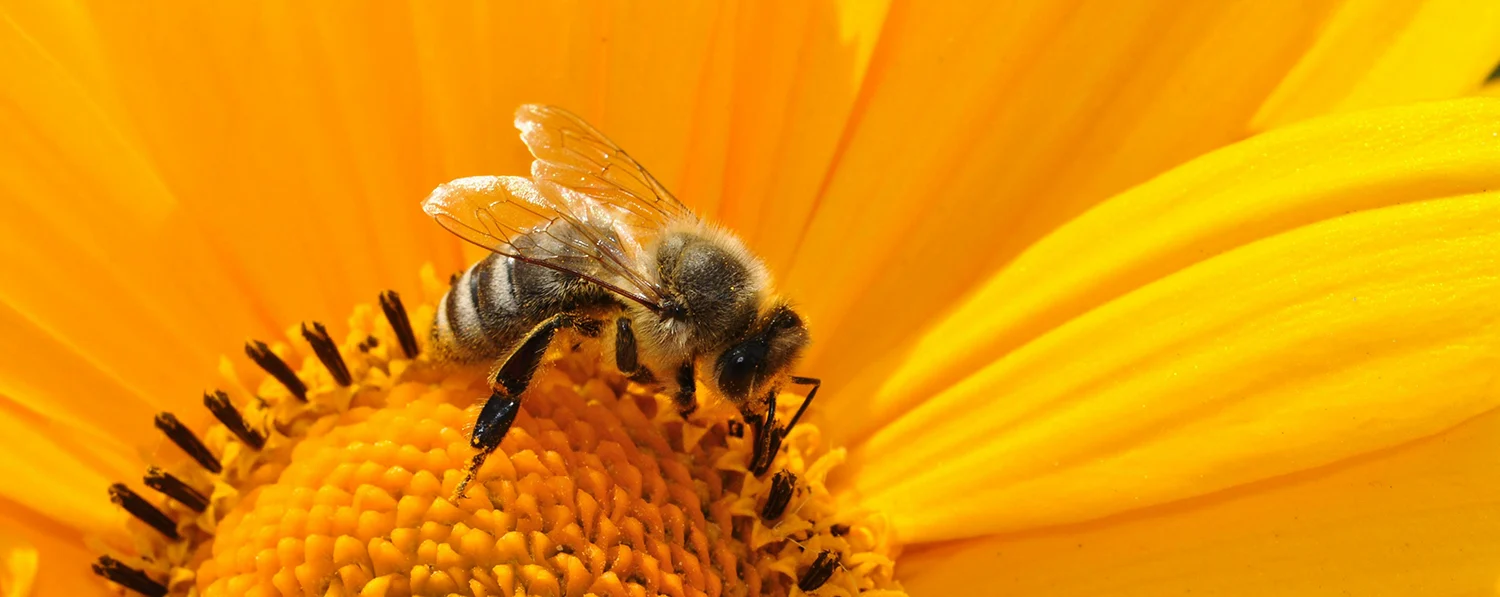
The most important role of bees is pollination. As they fly from flower to flower collecting nectar and pollen, they unintentionally transfer pollen from male to female blooms, allowing plants to reproduce and bear fruit. It is estimated that about 75% of global crops depend, to some degree, on insect pollination, with bees covering the largest part of this work.
The threats they face
Despite their immense importance, bee populations are declining dramatically worldwide. The main threats are human-induced:
- Widespread pesticide use: Chemical products used in modern agriculture are often lethal to bees, either directly or by weakening their immune systems.
- Climate change: Sudden temperature fluctuations, prolonged droughts, and extreme weather disrupt plant flowering cycles and create timing mismatches: flowers bloom before bees are ready, or bees emerge from winter to find no food.
- Habitat destruction: Wildfires, urbanization, and intensive monoculture drastically reduce the natural spaces where bees can find food and shelter.
- Diseases and parasites: Weakening from the above pressures makes bees more vulnerable to diseases and parasites, like the devastating varroa mite.
How you can help
Protecting bees is not just the responsibility of beekeepers. Each of us can contribute with simple, everyday practices:
- Plant bee-friendly flowers: Choose native, flowering plants like lavender, thyme, rosemary, marigolds, sunflowers, and herbs. A balcony or garden full of flowers can become a small oasis.
- Avoid pesticides: Seek organic alternatives for plant protection. If you must use a product, do it in the evening when bees have returned to their hives.
- Leave water in your garden: A shallow water source with some stones for bees to land on is invaluable, especially during hot months.
- Support local beekeepers: By buying honey and other hive products from local producers, you financially support bee conservation efforts.
- Get informed and raise awareness: Share knowledge about the importance of bees with friends and family. The more people know about the problem, the greater the power of the solution.
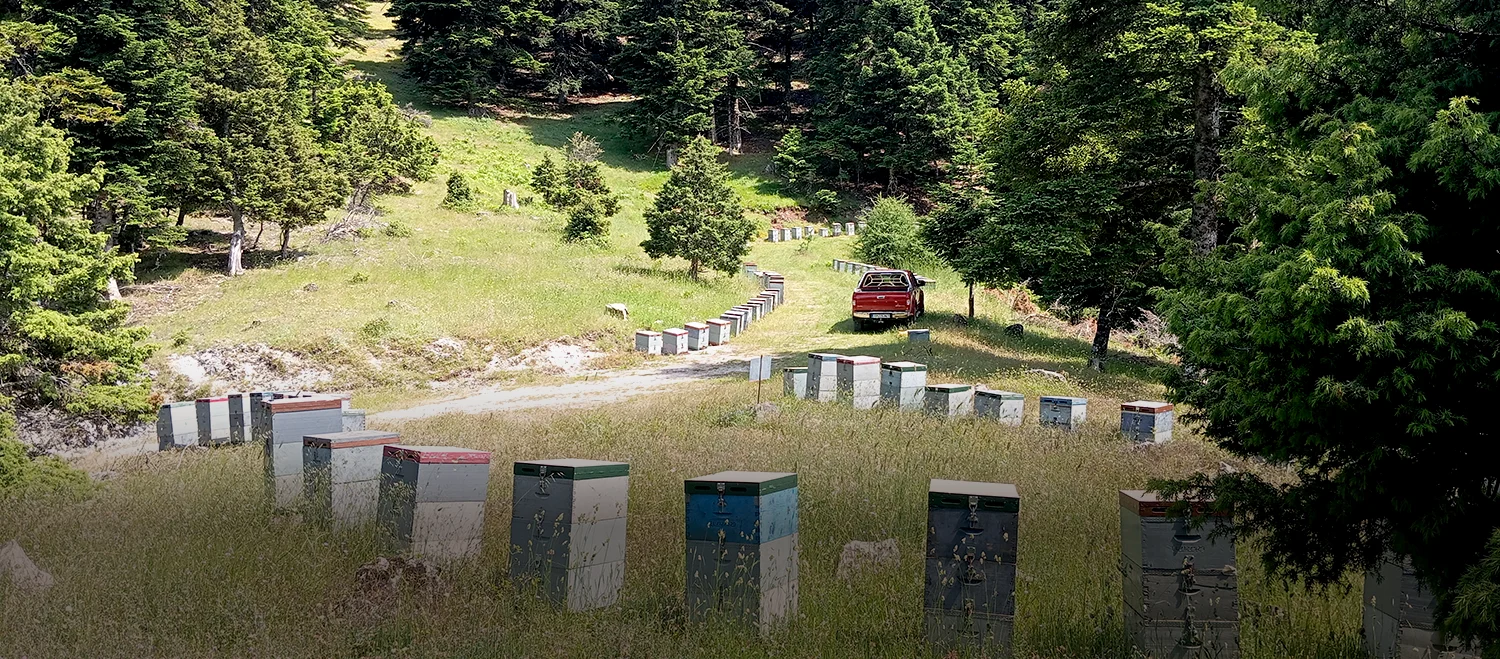
- Adopt a hive: Through Save Vytina Bees, you can actively contribute to creating new hives and tangibly support our work.
Bees fight a silent battle every day for our own survival. Let’s stand by them, just as they stand by nature.